
Constanta has the sea, the port, universities and potential. The question is whether it has the courage to attract large companies and become a city where young people choose to stay all year round.
Then comes autumn.
And suddenly the city is starting to look like itself again. It's a place with enormous potential, but with too few economic engines that work 12 months a year. A city that has a port, universities, tourism, energy, construction sites and services. But which has not yet managed to create the urban, economic and cultural framework that would keep young people at home.
Because the painful question is not whether young people love Constanța. Many do. The question is another: if they had somewhere to develop professionally, would they still leave the city?


We are talking about careers, big companies, modern offices and competitive salaries. We are talking about value-added industries: IT, consulting, financial services, creative industries or research. We are talking about that type of professional infrastructure that makes the difference between a beautiful city to visit and a good city to live in.
Cities no longer develop only with apartment buildings and malls
In Romania , over the last 15 years, some cities have understood that urban development can no longer be reduced to commerce, apartments and traffic. The cities that have truly grown have managed to connect universities with companies, companies with modern offices, offices with public spaces. And all of this has been linked to a simple idea: people stay where they feel they have a future.
Iași is probably one of the best examples for this discussion. Not because it should be mechanically copied to Constanța. But because it shows what can happen when a university city receives urban and economic infrastructure.
Before the 90s, Iași was strongly associated with heavy industry and its university profile. In the last 13–14 years, the city has changed substantially and transformed into a nationally competitive IT center. Data reported for the local market shows an increase from approximately 3.300 IT employees in 2008 to approximately 15.700 today. This places Iași among the most important IT centers in Romania. The evolution cannot be attributed to a single project. But the office component in the city center was one of the accelerators of this transformation. Ziarul Financiar noted as early as 2021 that the number of IT&C employees in Cluj and Iași had increased fourfold compared to 2008.
This is where the IULIUS model comes into play.
Case study: modern offices bring big companies and keep young people in the city
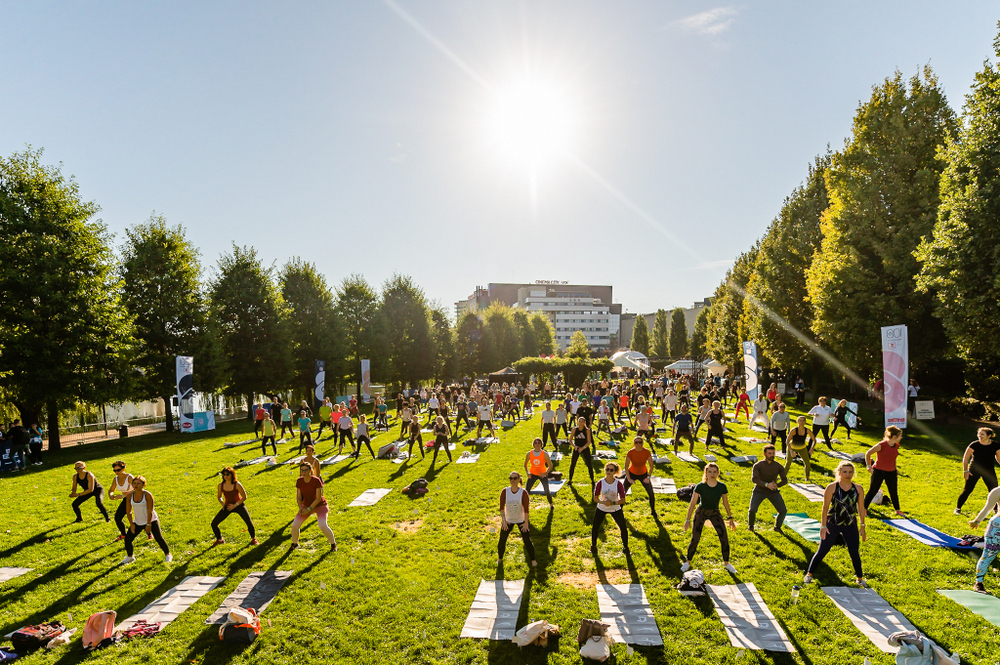
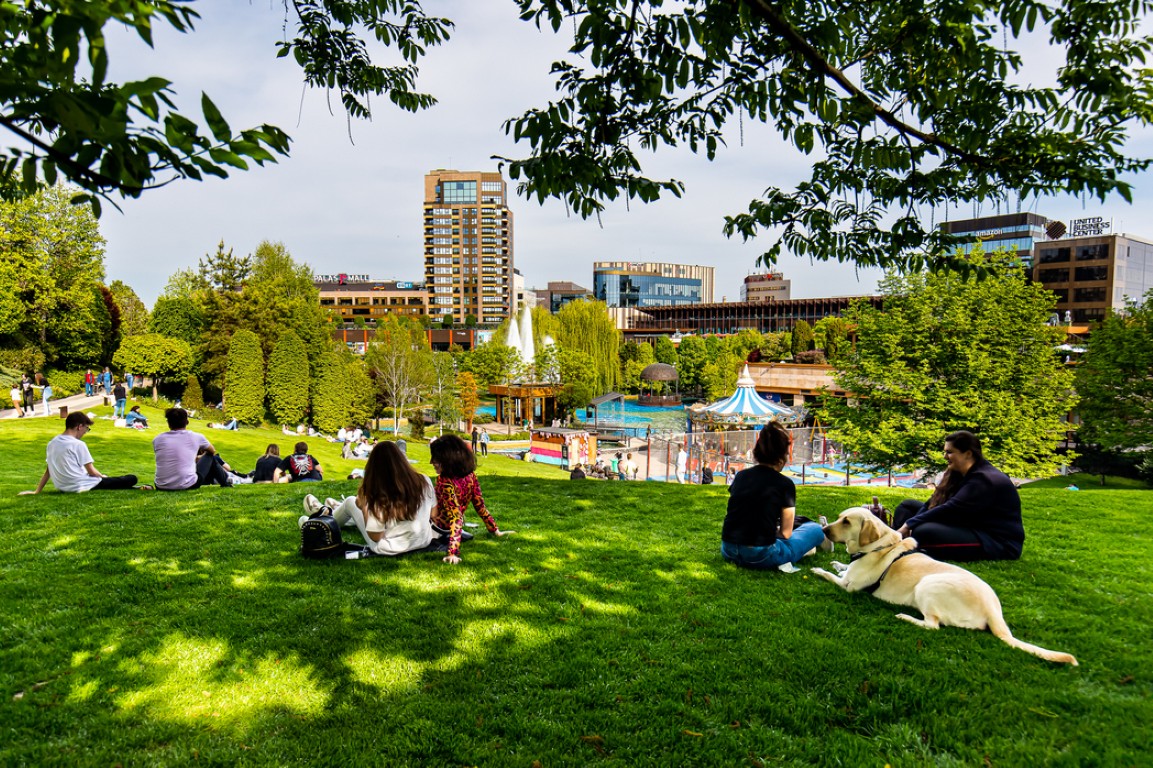
Palas Iași is not just a shopping center with restaurants and shops. It is an urban regeneration project. It has put retail, offices, green spaces, events, parking and community services in the same place. According to public data, Palas Iași involved an investment of over 320 million euros. The complex includes 64.000 sq m of retail and 75.600 sq m of office space in 7 United Business Center buildings. 63 companies and approximately 9.000 employees work here. The project also includes a 5-hectare urban garden, with approximately 1.000 trees and 50.000 shrubs.
The figure that should interest any local administration is the economic impact. In the period 2007–2024, the economic contribution of Palas Iași is indicated at 89,4 million euros. The amount includes the association fee, property tax, contributions to the consolidated state budget and other local taxes. Of this amount, 86,26 million euros were generated after the inauguration, in the period 2012–2024. Forbes also reported that the Palas project generated about 90 million euros in taxes between 2008 and 2024.
In other words, the discussion is not about "let's build some more buildings." The discussion is about what kind of city we want to finance in the long term. A city that lives for a few months off tourism and the rest of the year off inertia? Or a city that generates jobs, taxes, services, and permanent urban activity?
For Constanța, the comparison is uncomfortable, but necessary.
Palas Campus: large companies and the new generation of employers
In 2023, the IULIUS company inaugurated Palas Campus Iași, presented as the largest office building in Romania . The project has 54.000 sqm of class A offices and 6.000 sqm of retail. It attracted 13 companies and generated approximately 5.000 jobs. Among the companies mentioned are Amazon Development Center Romania, Microsoft Romania and AMD – Advanced Micro Devices. The list also includes Cognizant Softvision, Expleo Romania, HELLA Romania, Visma Software Romania, Allianz Țiriac and Arcadis.
Palas Campus is important in this discussion because it shows how the idea of an office building has changed. We are no longer talking about floors with neon signs, elevators and reception. We are talking about spaces where international companies can bring their teams and recruit locally. They can collaborate with universities and create development centers. This is how they keep people in the city who would otherwise have left for Bucharest , Cluj, Timisoara or abroad.
According to public information, Palas Campus has received EDGE and LEED Platinum certifications. In 2021, it benefited from a 72 million euro green loan from IFC, an institution of the World Bank Group.
This is the part that Constanța needs to talk about more seriously. Not just about buildings, but about the ability to attract employers who change the life of a city.
The largest office cluster outside the capital. Why does this matter?
Located in the city center, Palas Iași and Palas Campus total approximately 130.000 square meters of office space, in 8 buildings. Over 70 companies and approximately 14.000 employees work here.
Here, in fact, is the lesson.
Iași did not become more attractive just because it has universities. It had them before. It did not become more attractive just because it had young people. It had them before. The difference is that, at some point, the city also received the necessary infrastructure. Through it, young people could be hired locally by large companies.
What Constanța lacks: a hub for large companies
Here, Constanța has to recover.
We have Ovidius University, the Maritime University, the "Mircea cel Bătrân" Naval Academy. We have young people. We have people who are educated here. We have families who would prefer to see their children stay at home. We have a strategic position on the Black Sea . We have a port. We have energy. We have tourism. We have a city that, at least theoretically, should be a regional economic gateway.
But we don't yet have a modern business hub that can say: 50, 70, 100 companies can come here. Thousands of people can work here. Here you can build a career without packing your bags.
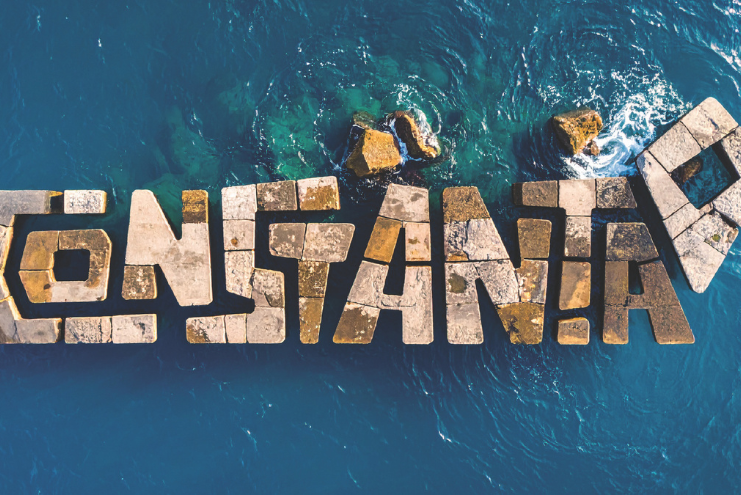
It's convenient to say that young people leave for the money. That's only partly true. Young people leave for opportunities, for professional communities, and for companies where they can grow. They leave for cities where they feel like something is happening. They want jobs in international companies, internships, modern offices, and professional networks. And they also want a very important feeling: that the future should not be postponed.
Timișoara and Cluj show that the pattern is not accidental
Iași is not the only example in the IULIUS portfolio. In Timișoara, United Business Center is part of the Iulius Town complex. It has 4 class A office buildings, over 80.000 sqm, 72 companies and approximately 11.000 employees.
In Cluj-Napoca, United Business Center includes 3 class A office buildings, with 30.000 sqm of leasable space and LEED Gold certification. 14 multinational companies and approximately 4.500 professionals work here. The data is in line with the office portfolio communicated by IULIUS. It has reached approximately 240.000 sqm in 15 premium buildings and a community of approximately 29.000 employees.
Across its entire portfolio, IULIUS operates projects in Iași, Timișoara, Cluj-Napoca and Suceava. The portfolio includes mixed-use projects, regional malls, Family Market and premium office spaces.
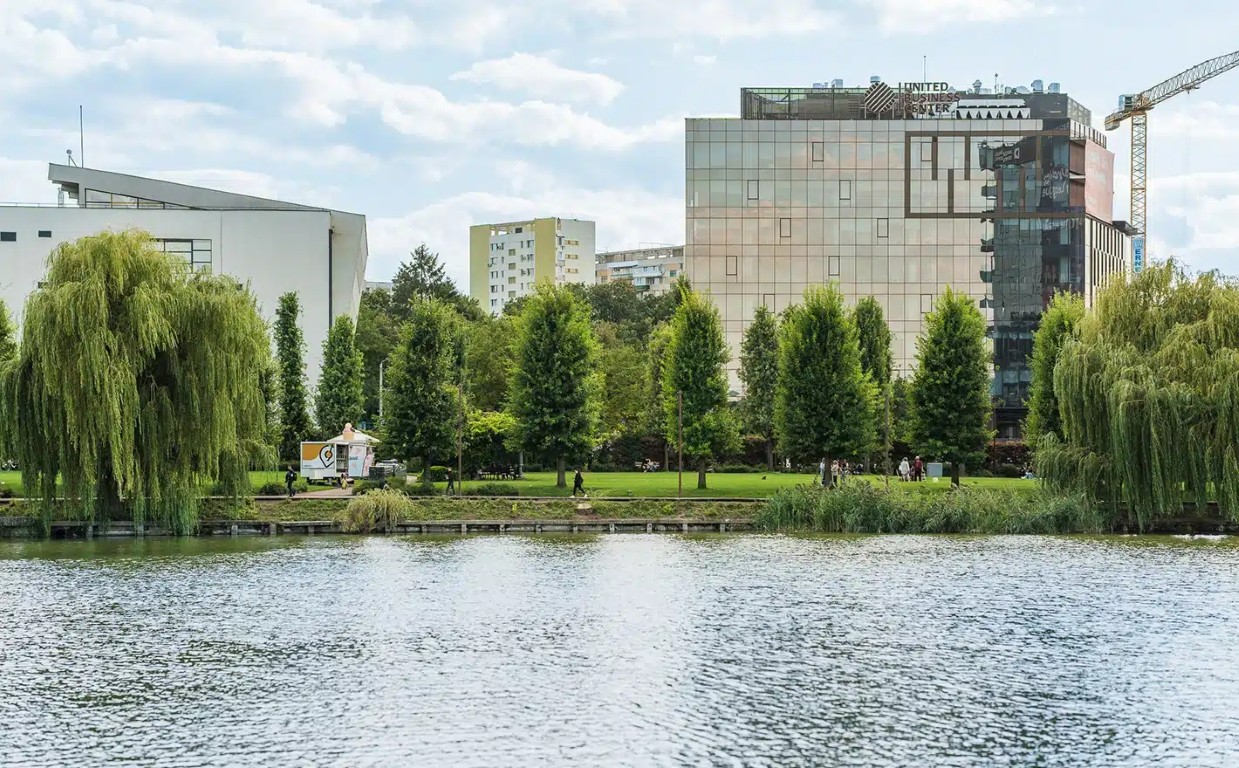
Not all cities are the same. Constanța has its own profile, its own advantages and its own bottlenecks.
Constanta doesn't have to choose between the sea and offices
There is a false opposition that appears every time we talk about urban development. Either we want a tourist city, or we want a business city. Either we want green spaces, or we want buildings. Either we want local identity, or we want investments.
In reality, good cities don't choose between these things. They combine them.
Constanța doesn't have to give up tourism to attract companies. It doesn't have to choose between festivals and jobs. The problem is that, until now, it has worked too piecemeal. Summer tourism, winter waiting.
A major urban project with office spaces, retail, services, green areas, and public functions can become more than just a private investment. It can become a platform for a different kind of city.
But for that, we have to overcome a reflex. We view any development only through the lens of suspicion or only through the excitement of a press release.
We need to ask specifically:
- How many jobs does it bring?
- What kind of companies can it attract?
- How much green space does it create?
- What taxes does it generate?
- What public infrastructure does it support?
- How do universities help?
- How do you keep young people at home?
These are the right questions.
If we want young people to stay in Constanța, we need to offer them a city where they have something to stay in. Not just sentimentally, but also professionally.
I also wrote about how the city can change according to European benchmarks in the analysis of the urban transformation of Constanta.