• Live Cameras link="live cameras"
  • Tourist Bucharest: beautiful, alive and neglected

    Cristian Bărhălescu, president of ANAT
    0 Shares

    Bucharest has something that many European cities would like: energy, gorgeous buildings, photogenic chaos, good restaurants, full hotels, big events, stories around every corner, and that kind of imperfect charm that tourists seek when they're bored with museum cities, polished to the point of losing their identity.

    The problem is that Bucharest seems to have tourists despite the tourism administration, not because of it.

    Because, while foreigners are discovering the Old Center, Calea Victoriei, the interwar architecture, the cafes, the museums, the nightlife and that Balkan-European vibe that is difficult to explain in a brochure, the Capital is still looking for itself as a destination. It knows how to welcome people, but it doesn't know how to sell itself. It has heritage, but it doesn't have a unified story. It has events, but it doesn't have a coherent calendar. It has potential, but it doesn't have a brand.

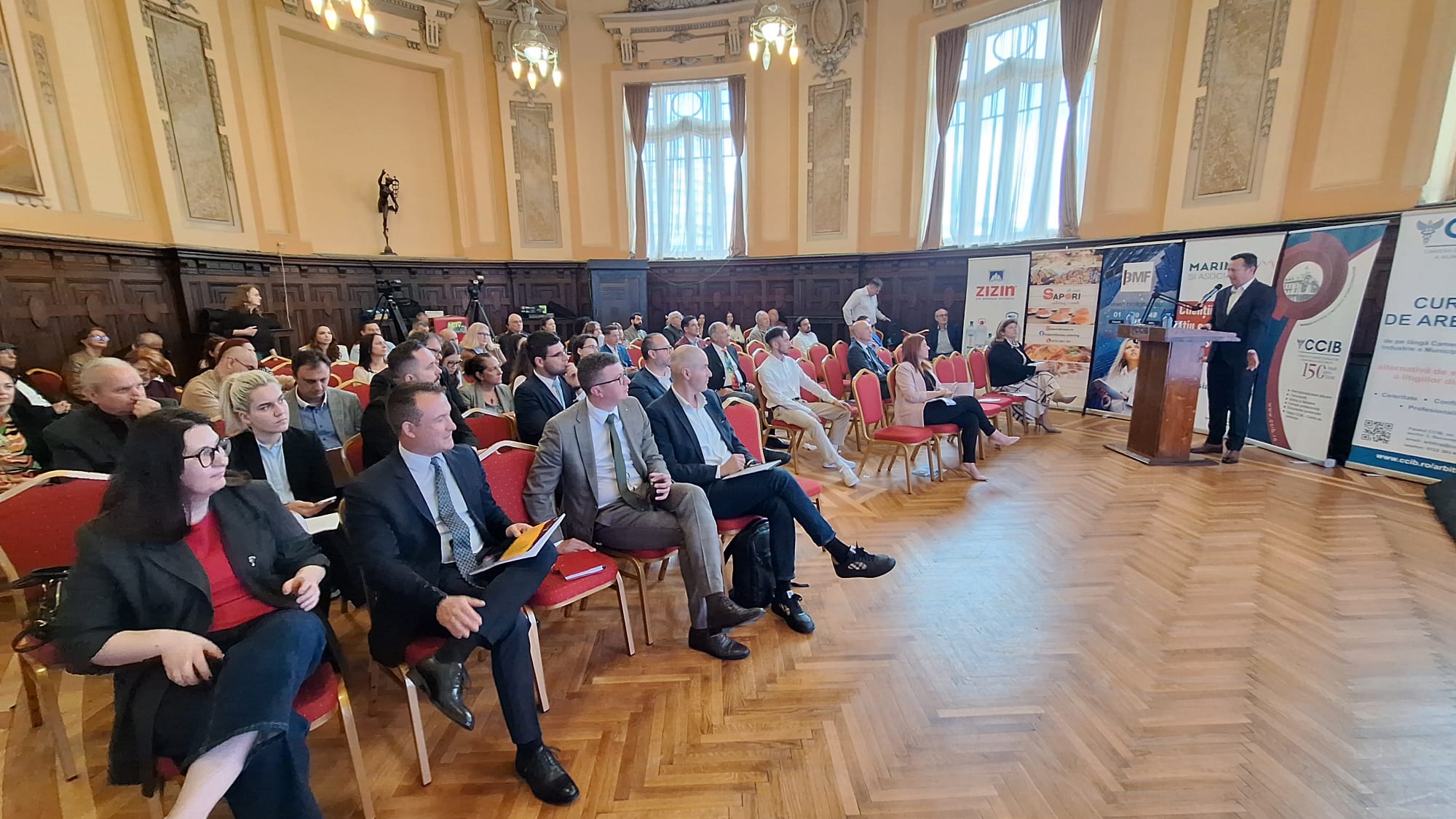
    And I'm not the only one saying this, with the constructive malice of a tourist who sees both the beautiful side and the broken curb. Cristian Bărhălescu, president of ANAT, said it directly at the FOCUS Bucharest conference , organized by the Bucharest Chamber of Commerce and Industry, under the theme "From potential to performance: Tourism, Infrastructure and Historical Heritage in the Capital". His message was harsh, but necessary: ​​"We don't have a strategy, we don't have deadlines, we don't have MDGs and we're meeting here in vain."

    FOCUS Bucharest Conference
    FOCUS Bucharest Conference

    And this is where the real discussion begins.

    Bucharest is already a tourist destination. It just doesn't seem to officially know it.

    The data clearly shows that Bucharest is not a city ignored by tourists. In 2025, Bucharest Municipality recorded 2.053.700 arrivals in tourist accommodation structures, being the first county/municipality in Romania in this regard, ahead of Constanța and Brașov. In terms of overnight stays, the Capital had 4.147.900, behind Constanța , but ahead of Brașov.

    At the national level, in 2025 there were 13.917.700 arrivals in tourist reception structures, down 2,4% compared to 2024. Of the total, Romanian tourists represented 81,4%, and foreign tourists 18,6%.

    Bucharest, however, has an interesting peculiarity: in certain periods, foreigners outnumber Romanians. In the third quarter of 2025, the capital attracted 464.663 tourists, of which 262.897 were foreign tourists and 201.766 Romanian tourists. In other words, in the months of July-September, over half of the tourists staying in Bucharest came from outside the country.

    This should be great news. And it is. But it's also an uncomfortable mirror.

    Because if Bucharest attracts over two million tourists in a year without a solid tourism strategy, without a functional OMD, without a coherent brand and without a well-packaged international story, the natural question is: how much could it attract if it were managed as a serious European destination?

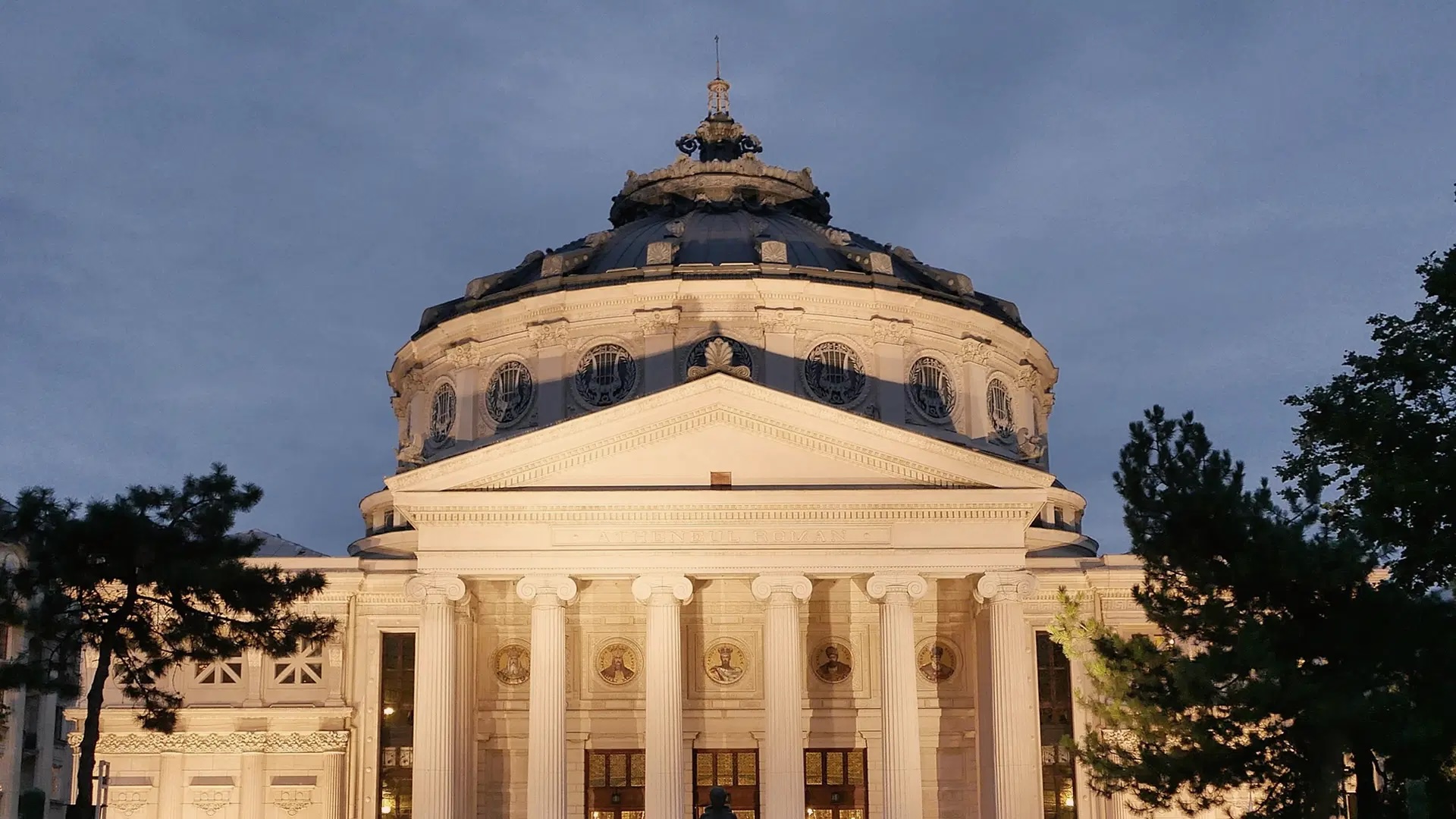
    Bucharest is the kind of city where a tourist can do a spectacular route in a single day: breakfast on Calea Victoriei, a walk by the Romanian Athenaeum , a break at a hidden café, a museum, lunch in a good restaurant, an urban sunset among old buildings, an evening in the Old Center or at a concert.

    But the same tourist can quickly discover the other side: few signs, fragmented tourist information, historic buildings that look as if they were abandoned between two election campaigns, transportation that is difficult to understand for someone coming for the first time, lack of modern tourist signage, and official communication that does not connect the experiences between them.

    The city has content. It lacks direction.

    Cristian Bărhălescu hit the nail on the head when he talked about digitalization and signage: "If we don't have digital signage, we have no way of helping foreign tourists navigate this thicket of the Capital."

    The word "hățiș" is perhaps the best tourist description of Bucharest. Not because the city is not worth visiting, but because it needs to be deciphered. And tourists should not come with a detective spirit to find a museum, a route, a story or an information point.

    Bucharest has gastronomy, culture, heritage, good hotels, events and a real urban life. It has neighborhoods with personality, it has old houses, it has Jewish, Armenian, Greek, French, communist and post-communist stories. It has those contrasts that a good city-break transforms into an experience.

    At FOCUS Bucharest, CCIB President Iuliu Stocklosa spoke about the fact that the city has all the ingredients for a strong identity in Europe, but remains below the level of visibility of other European cities precisely because there is not enough coherence in promotion and development.


    Here, in fact, is the paradox of the Capital: Bucharest has enough beautiful things to fill a weekend, but it does not yet have that clear construction that tells the tourist: "Look who I am. Look why it's worth coming. Look what you can experience here."


    Paris has Paris. Barcelona has Barcelona. Istanbul has Istanbul. Even cities smaller than Bucharest know how to present themselves to the world through a simple idea, repeated coherently.


    Bucharest still seems to send tourists out for a walk with a message like: "See what you find."

    Romanian Athenaeum
    Romanian Athenaeum

    A big city doesn't promote itself instinctively. It's not enough for agencies to pull everyone in their own direction, hoteliers to make packages on their own, restaurants to promote their menus, and the administration to show up from time to time with promises.


    Cristian Bărhălescu made it clear that the lack of a Destination Management Organization leaves the promotion of the Capital to chance. A DMO could centralize efforts, budgets, campaigns, event calendar and the official voice of Bucharest on international markets.


    Without OMD, Bucharest remains a destination managed in pieces. A little from hoteliers, a little from agencies, a little from the ministry, a little from the City Hall, a little from event organizers, a little from passionate guides, a little from influencers who discover the city by chance.


    It's just that a city doesn't become an international destination "just a little bit."


    Adrian Gorpin

    I have been working in the media for more than 20 years. I started at TV Neptun, and for 18 years I worked at Pro TV. Every year, I try to see what good things have been done on the coast, what needs to be corrected and if there are models that we can follow. Funkytravel.ro is a digital "book" where you will discover analyzes about tourism, interviews with people who work in this industry, accommodation tips, but also some of the adventures we have experienced