
There are places in the city that you pass by year after year without stopping to think about them. An old fence, an empty platform, traces of broken asphalt — a background landscape that the eye reflexively ignores. Constanta residents have had such a place on their daily route for years: the former RATC base on Soveja Street.
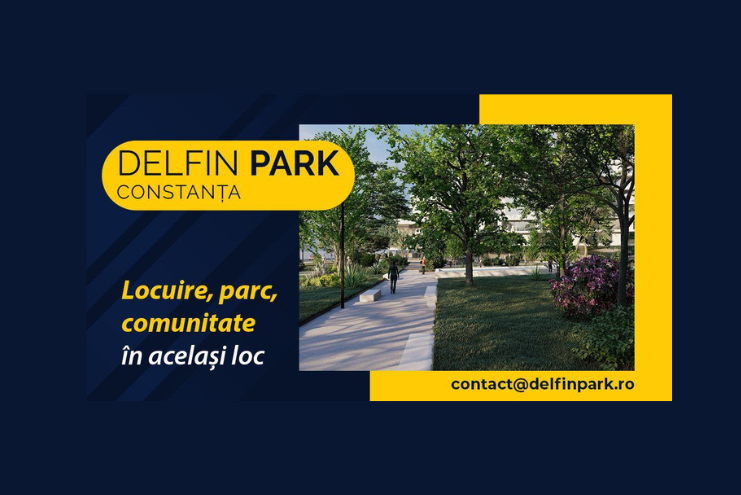
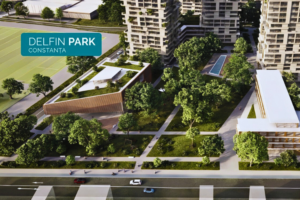
Things are about to change. The Delfin Park project proposes transforming this land into a new neighborhood, built in stages, with over 2.100 homes, a 4–5 star hotel, a generous public park, school, kindergarten and spaces for services and shops. Basically, a completely reinvented piece of the city, designed to connect naturally with the Delfinariu area and the Children's Park.

Beyond the visual aspect — because yes, it will look good — the Delfin Park story also has a less spectacular, but equally important side: what it means, concretely, for the economy of the city we live in. Jobs, taxes that stay local, new services that we can all enjoy, not just future residents.