• Live Cameras link="live cameras"
  • A city alive on schedule: the new direction of urban development in Europe

    Julius Town
    0 Shares

    Traffic, investment and the economy are the indicators we are used to measuring the health of a city. But what happens to Constanța after 18:00 PM, when offices close and the official program ends? More and more European cities have started to answer this question with dedicated strategies, and the results show that people's free time has become, itself, a resource for which cities compete.


    It's a more profound shift in perspective than it seems. In the last decade, a good city was usually a city with fluid traffic, attracted investment, and a solid daytime economy. 


    But these figures say little about what happens in public space after hours, whether the street remains alive, whether people choose to leave the house or stay on the couch, whether a city offers real reasons to be lived in and not just traversed.
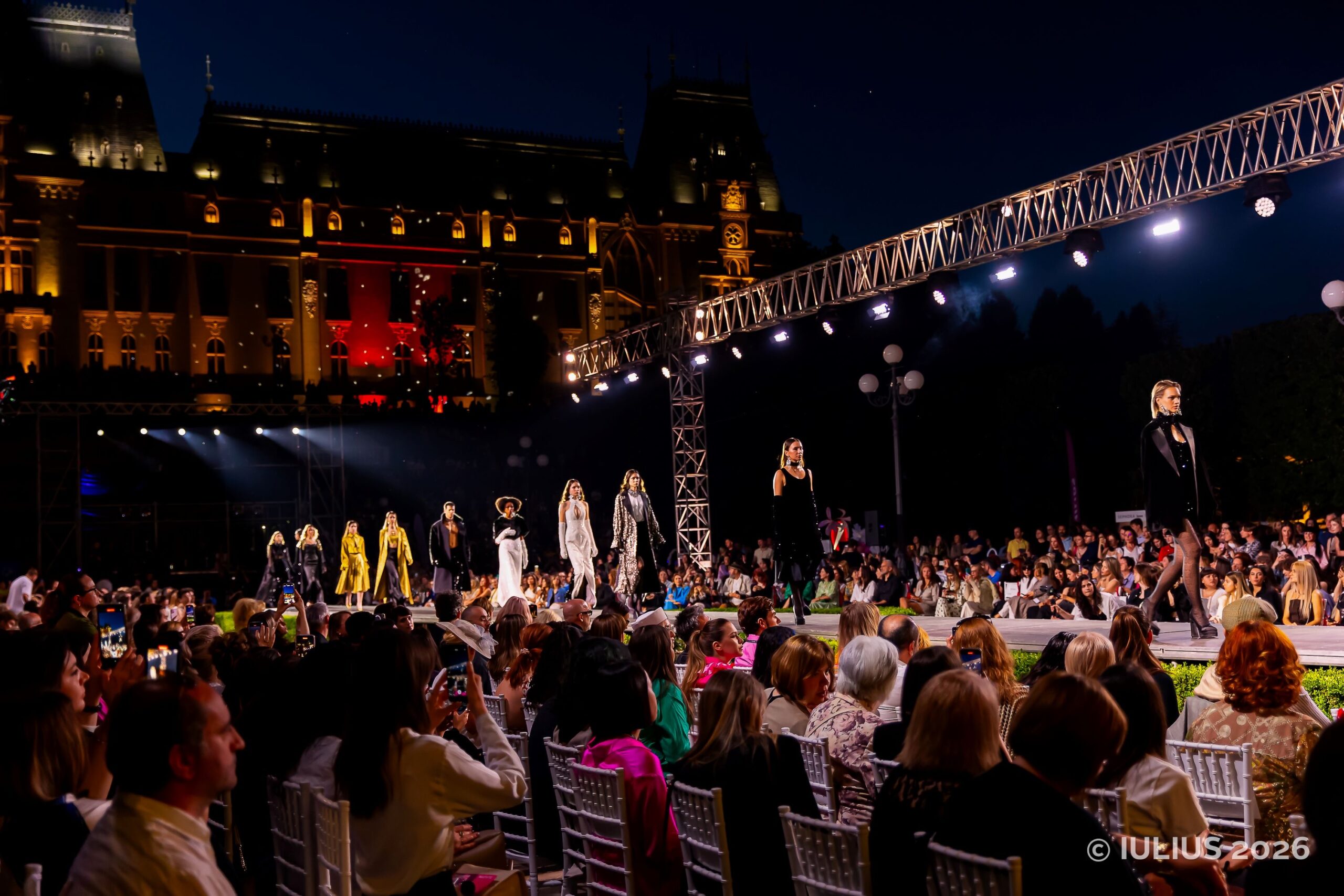
    Is the city alive after 18:00 PM?

    This is the question behind a wave of new urban policies. The Night Time Economy Report 2026, published by the Nighttime Foundation (an initiative of VibeLab) and launched at the World Economic Forum’s annual meeting in Davos, treats the 6pm–6am time period on a global scale for the first time as a distinct strategic component of urban development, not as a simple appendage to the daytime economy. The report’s central conclusion is that the global night-time economy generates between $3 and $4 trillion annually, accounts for about 3–4% of global GDP, and supports one in ten jobs worldwide, figures that explain why cities like Amsterdam, Paris, Madrid, London, and Montreal have begun to treat “urban nightlife” as infrastructure, not marginal entertainment.


    The report also shows that over half of young adults surveyed globally would like to leave the house more often, but are held back by the lack of safety and transportation at night, a signal that any local government, regardless of the size of the city, should take into account.

    A city built for the joy of being used

    In London, the findings go even further. The London Nightlife Taskforce Report 2026, commissioned by Mayor Sadiq Khan and produced in partnership with the Greater London Authority, UCL Consultants, VibeLab and The Autonomy Institute, proposes the establishment of a Standing Commission on Nightlife and makes 23 recommendations structured around 10 lines of action. The document shows that the British capital’s nightlife economy is worth more than £139 billion annually and supports over a million jobs.

    Beyond the numbers, the message of the London report is a cultural one: urban nightlife is not just about clubs and bars, but about socializing, culture, meeting squares, family activities and active public spaces, a local economy built, in essence, for connecting people. The central idea, that a city must be “alive after dark”, shifts the emphasis from travel to the joy of using public space.

    What could this mean for Constanța?

    For a port city with a seasonal tourist identity, the question is not rhetorical. Constanța has a coastline , a dense historic center, and, theoretically, all the ingredients for an active urban life beyond office hours, but these ingredients are rarely thought of as a unitary public policy, explicitly dedicated to the hours after 18:00 PM, regardless of the season.

    Palace Iasi
    Palace Iasi

    Examples of long-term urban regeneration already exist in other Romanian cities. In Iași, the first mixed-use project of the IULIUS group, Palas, has transformed, since 2012, a central area into a space that attracts over 22 million visitors annually, with parks, events and an active cultural program throughout the year, as well as restaurants, bistros and entertainment destinations where you can stay after the program.

    Julius Town
    Julius Town

    In Timișoara, the similar Iulius Town project follows the same logic of a multifunctional public space, open to the community beyond the strictly commercial component. And in Constanța, a signal in the same direction comes from the regeneration project of the former North Oil Terminal platform, designed as an attractive destination all year round and always alive, with a strong leisure and recreation component, which would also support the evening economy, an example of how private investments can recalibrate, over time, the way a city uses its public space.

    Funkytravel.ro
    Funkytravel.ro

    Funkytravel.ro is a digital "book" where you will discover analyzes about tourism, interviews with people who work in this industry, accommodation tips, but also some of the adventures we have experienced.